
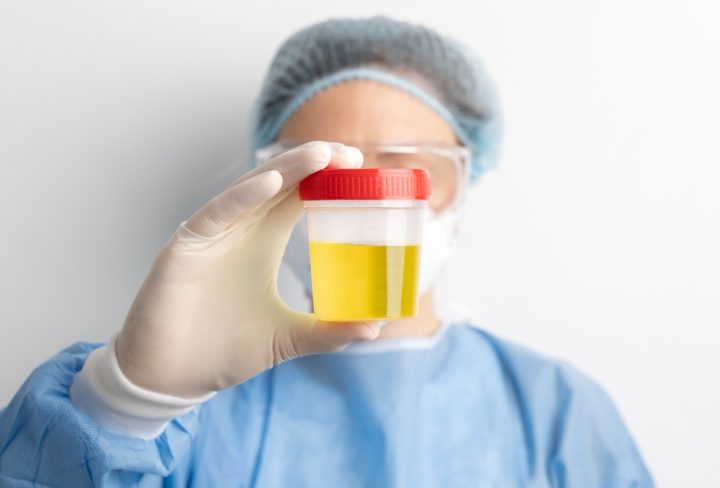
What Is a Urine Culture and Sensitivity Test?
A urine culture and sensitivity test checks for germs in your urine. These germs can cause infections in your urinary tract. The test also shows which medicines can kill the germs. Many people call this a “urine test for infection.” Doctors use it to find the right treatment for you.
Why Is This Test Important?
Urinary tract infections (UTIs) are common. However, not all infections are the same. A urine culture and sensitivity test helps your doctor:
Because some germs resist certain medicines, this test helps avoid the wrong treatment. As a result, you get better faster and avoid complications.
Common Symptoms or Reasons for Needing the Test
Doctors may order a urine culture and sensitivity test if you have symptoms like:
Sometimes, your doctor may suggest this test if you have repeated UTIs or if you are pregnant. In some cases, it is also done before certain surgeries.
How Is the Test Performed? Step-by-Step Procedure
Usually, the test is simple and quick. Here’s how a urine culture and sensitivity test is done:
Because this method reduces the chance of outside germs, it helps get accurate results. Sometimes, a doctor may use a catheter to collect urine, especially in hospitals.
How to Prepare for the Test
Preparing for a urine culture and sensitivity test is easy. However, you should follow these tips:
Because some medicines can change test results, always share your full medical history.
Understanding the Results: What Do They Mean?
After the test, your doctor will explain the urine culture results. Here is what they usually mean:
Sometimes, the test may show more than one type of germ. In that case, your doctor will decide the best treatment. If you searched for “urine culture results explained,” remember that only a doctor can give you a full answer.
Treatment Options Based on Test Outcomes
If your test is positive, your doctor will choose an antibiotic that works against the germ. Because the sensitivity part of the test shows which medicines are best, you get the most effective treatment. Usually, you will need to take all the medicine, even if you feel better early. This helps prevent the infection from coming back.
If your test is negative, your doctor may look for other causes of your symptoms. Sometimes, you may need more tests.
Prevention Tips for Urinary Tract Infections
Although UTIs are common, you can lower your risk. Try these simple tips:
Because prevention is easier than treatment, these steps can help keep you healthy.
When to Consult a Healthcare Provider
If you have symptoms of a UTI, do not wait. You should see a healthcare provider if:
Because early treatment can prevent serious problems, always seek help if you are unsure. You can also search for “urine culture test near me” to find a local clinic.
Conclusion
A urine culture and sensitivity test is a safe and helpful way to find and treat urinary infections. With the right steps, you can get quick answers and proper care. Consult a healthcare provider for personalized advice about urine culture and sensitivity tests.
Sources: Centers for Disease Control and Prevention (CDC), World Health Organization (WHO)