
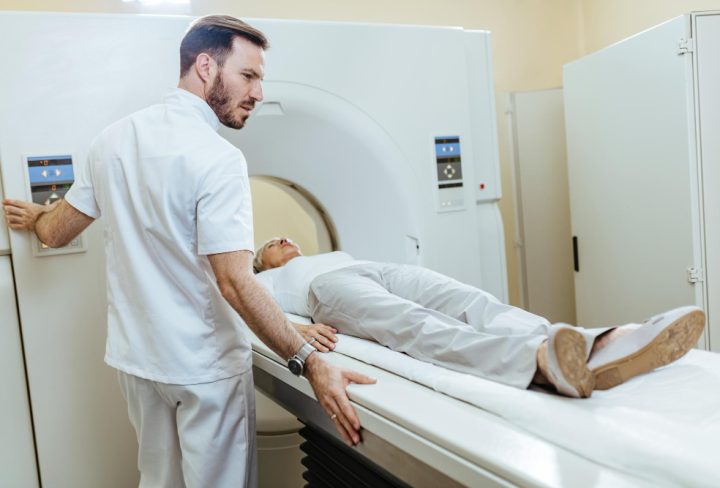
Introduction: What Is a CT Abdomen?
A CT Abdomen is a special type of X-ray that takes detailed pictures of your belly area. Doctors use this test to look at organs like the liver, kidneys, and intestines. Often, a CT Abdomen helps find the cause of pain, swelling, or other problems. Because it gives clear images, it helps doctors make quick and accurate decisions. Many people also call this test an abdominal CT scan.
Why Might You Need a CT Abdomen?
There are several reasons your doctor may suggest a CT Abdomen. For example, you might need one if you have:
Sometimes, doctors use a CT Abdomen to check for tumors, kidney stones, or other conditions. In some cases, it helps guide treatment or surgery.
How Does the CT Abdomen Procedure Work?
First, you will check in at the imaging center or hospital. Next, a staff member will explain the CT Abdomen procedure. Here is what usually happens:
The whole CT Abdomen scan often takes less than 30 minutes. However, if you need contrast dye, it may take a bit longer.
How to Prepare for a CT Abdomen
Proper CT scan preparation helps make the test safe and accurate. Here are some tips:
Because each center may have different rules, always check with your healthcare provider first.
What to Expect During and After the Scan
During the CT Abdomen scan, you may hear buzzing or clicking sounds. These are normal. If you get contrast dye, you might feel a warm or flushed feeling. Some people notice a metallic taste in their mouth. Usually, these feelings go away quickly.
After the scan, you can return to your normal activities. If you received contrast dye, drink plenty of water to help flush it out. If you feel any itching, rash, or trouble breathing, tell your doctor right away. These could be signs of an allergic reaction, but they are rare.
CT Abdomen Safety, Risks, and Common Concerns
Many people worry about CT scan safety. According to the World Health Organization and the CDC, CT scans use a small amount of radiation. For most people, the benefits outweigh the risks. However, it is important to avoid unnecessary scans.
Here are some possible risks and concerns:
Still, most people have no problems. If you are worried, talk to your doctor about CT scan safety and if another test might work for you.
How Are CT Abdomen Results Interpreted?
After your scan, a radiologist will look at the images. This doctor is trained to spot any problems or changes. Next, the radiologist sends a report to your main doctor. Your doctor will then explain the results and what they mean for your health. Sometimes, you may need more tests or treatment based on the findings.
When Should You Consult a Doctor?
If you have belly pain, swelling, or other symptoms, see your doctor. Also, if you have questions about the CT Abdomen or its safety, ask your healthcare provider. They can help you decide if this test is right for you.
Key Takeaways
For personalized advice about CT Abdomen scans, consult a radiologist or your healthcare provider.