
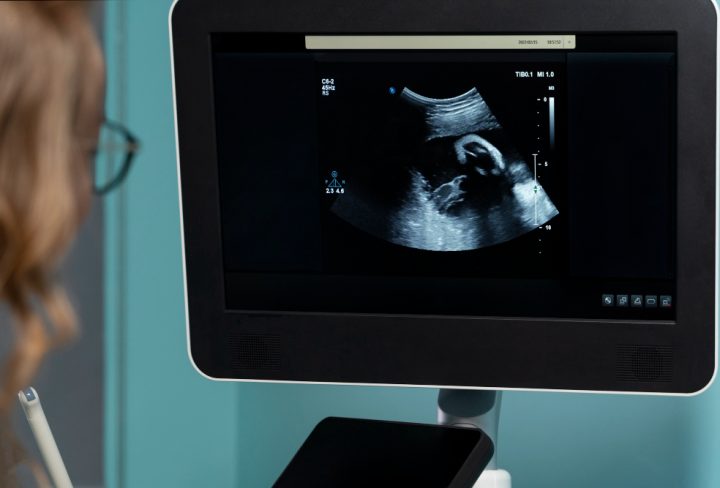
During pregnancy, a placental localization scan is an important ultrasound test. This scan checks where the placenta is inside the womb. Knowing the placenta’s position helps doctors keep both mother and baby safe. Placental localization scan is often part of routine pregnancy care. It gives clear information about the placenta’s location and health. If you are expecting, you may wonder what this scan involves and why it matters. In this blog, we explain everything you need to know about placental localization scans.
What Is a Placental Localization Scan?
A placental localization scan is a special type of pregnancy ultrasound. It shows the exact spot where the placenta attaches inside the uterus. Usually, this scan is done during a regular pregnancy ultrasound scan. However, sometimes doctors order it if they need more details. The scan uses sound waves to create pictures of the placenta and baby. It does not use any harmful radiation. Because of this, it is safe for both mother and baby. The main goal is to check if the placenta is in a safe spot for delivery.
Why Is Placental Localization Important?
Placental localization is very important in pregnancy care. For example, the placenta should not block the birth canal. If it does, it can cause problems during delivery. This condition is called placenta previa. In addition, knowing the placenta’s position helps doctors plan for a safe birth. Sometimes, the placenta may be too close to the cervix or cover it. In these cases, doctors may suggest extra care or a planned cesarean section. Therefore, a placental localization ultrasound helps prevent risks for both mother and baby.
How Is the Scan Performed?
First, you will be asked to lie down on an exam table. Next, a gel is spread on your belly. This gel helps the ultrasound device move smoothly and send clear images. Then, the technician moves a small device called a transducer over your skin. The device sends sound waves into your body. These waves bounce back and create pictures on a screen. Sometimes, if the placenta is low or hard to see, a vaginal ultrasound may be needed. This is safe and usually not painful. The whole scan takes about 15 to 30 minutes. After the scan, you can return to your normal activities right away.
When and Who Needs This Scan?
Most often, a placental localization scan is done during the mid-pregnancy ultrasound, around 18 to 22 weeks. However, some women may need it earlier or later. For example, if you have bleeding or other symptoms, your doctor may order this scan. Women with a history of placenta previa or surgery on the uterus may also need extra checks. In some cases, doctors repeat the scan later in pregnancy to see if the placenta has moved. If you are searching for a “placental localization scan near me,” ask your doctor for trusted clinics in your area.
What Do the Results Mean?
The scan results show where the placenta is located. Here are some common findings:
If the placenta is low early in pregnancy, it often moves up as the uterus grows. But if it stays low, your doctor will discuss the safest delivery plan. The scan also checks for other issues, such as placenta accreta, where the placenta attaches too deeply.
Is the Scan Safe?
Yes, a placental localization scan is very safe. It uses ultrasound, which does not have harmful radiation. According to the World Health Organization (WHO), pregnancy ultrasounds are safe when done by trained professionals. Most women feel only mild pressure from the transducer. Rarely, a vaginal scan may cause slight discomfort, but it is not harmful. There are no known risks to the baby or mother from this scan. You can talk to your doctor if you have any concerns about safety or comfort.
Frequently Asked Questions
Tips for Expectant Parents
In summary, a placental localization scan is a safe and helpful tool in pregnancy care. It gives important information about the placenta’s position and helps plan for a safe delivery. If you have questions or concerns, consult your healthcare provider for personalized advice about placental localization scans.